on parenthood
some unpopular opinions

This subject is of huge importance to me. And this piece specifically is a fusion of distinct ideas that all lead to the same conclusion: that having children is not a viable option for me (and, to be very honest, many others). Some of these conclusions are relevant to me as an individual and some can be applied on a societal level.
Readers should be aware that my arguments and observations do not apply to anyone who did not consent to parenthood, what I have written concerns consenting adults who have chosen to embark on parenthood.
I have said once I start writing on this topic it would be when I finally get cut off but here goes.
I think about parenthood a lot. What children are owed by their parents. Whether would-be parents have to earn their right to have a child or not. I also have some conclusive opinions on the choice to become a parent, which I have been told more than a few times, is strange considering I am not one. My response is simple: like everyone else on this planet, I was parented and I have some contributions I feel are valuable on how to do it well—if at all.
The general discourse on having children seems to be sacred; an inexplorable and untouchable subject. And the decision to not have children? Well that’s just uncouth, especially for a woman. For some reason the accusation of hating children often follows after I or someone else states they aren’t planning on having them. On the contrary, I have such a profound respect for children and believe wholeheartedly in their right to be free from harm and trauma—which I realise is a paradoxical expectation as we know trauma is an inescapable part of the human experience—I take their need for security so seriously, that I have decided not to have them because I know I cannot guarantee it. There are a myriad of justifications for my point of view which I will go into now.
my own personal shortcomings
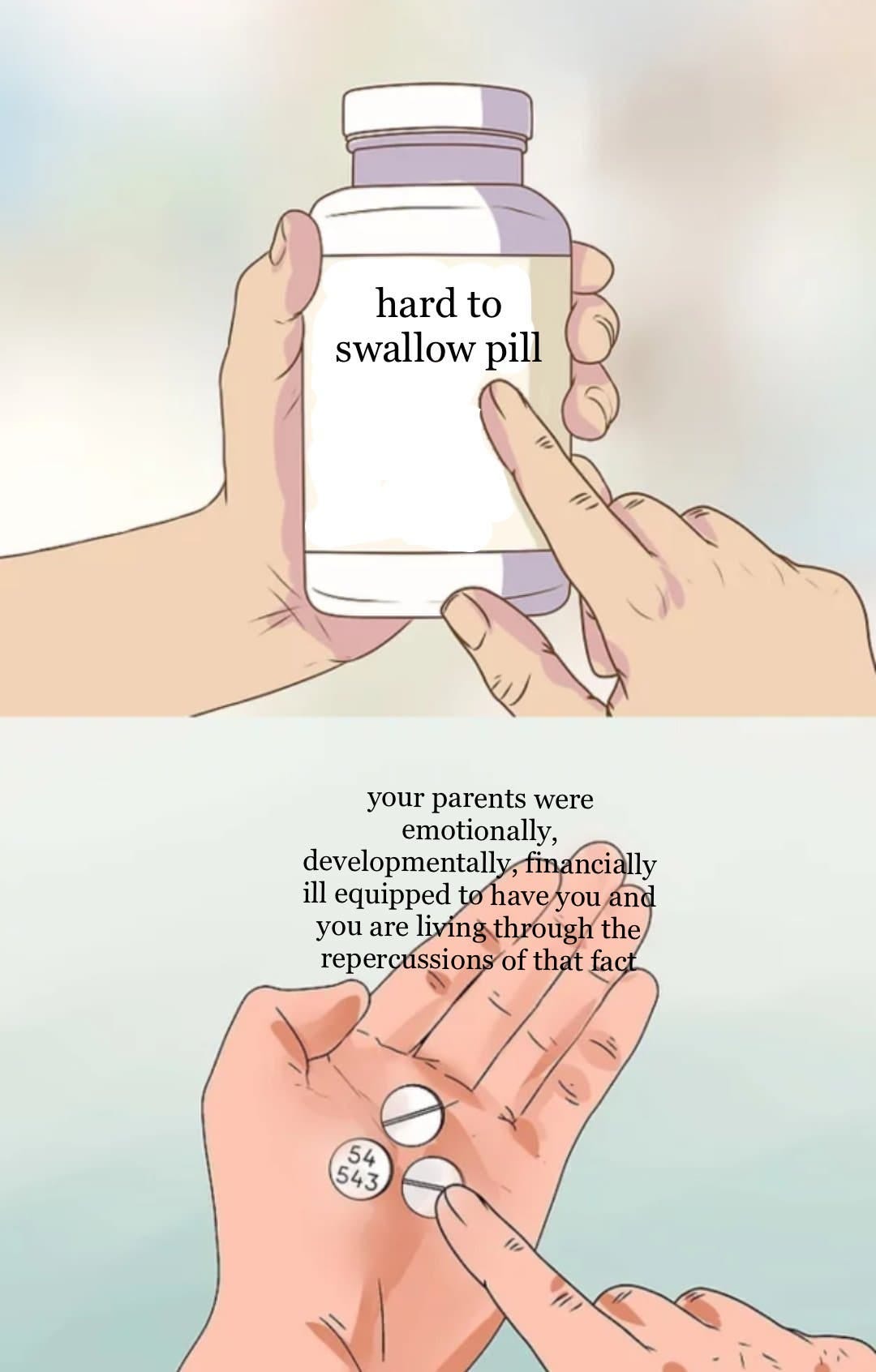
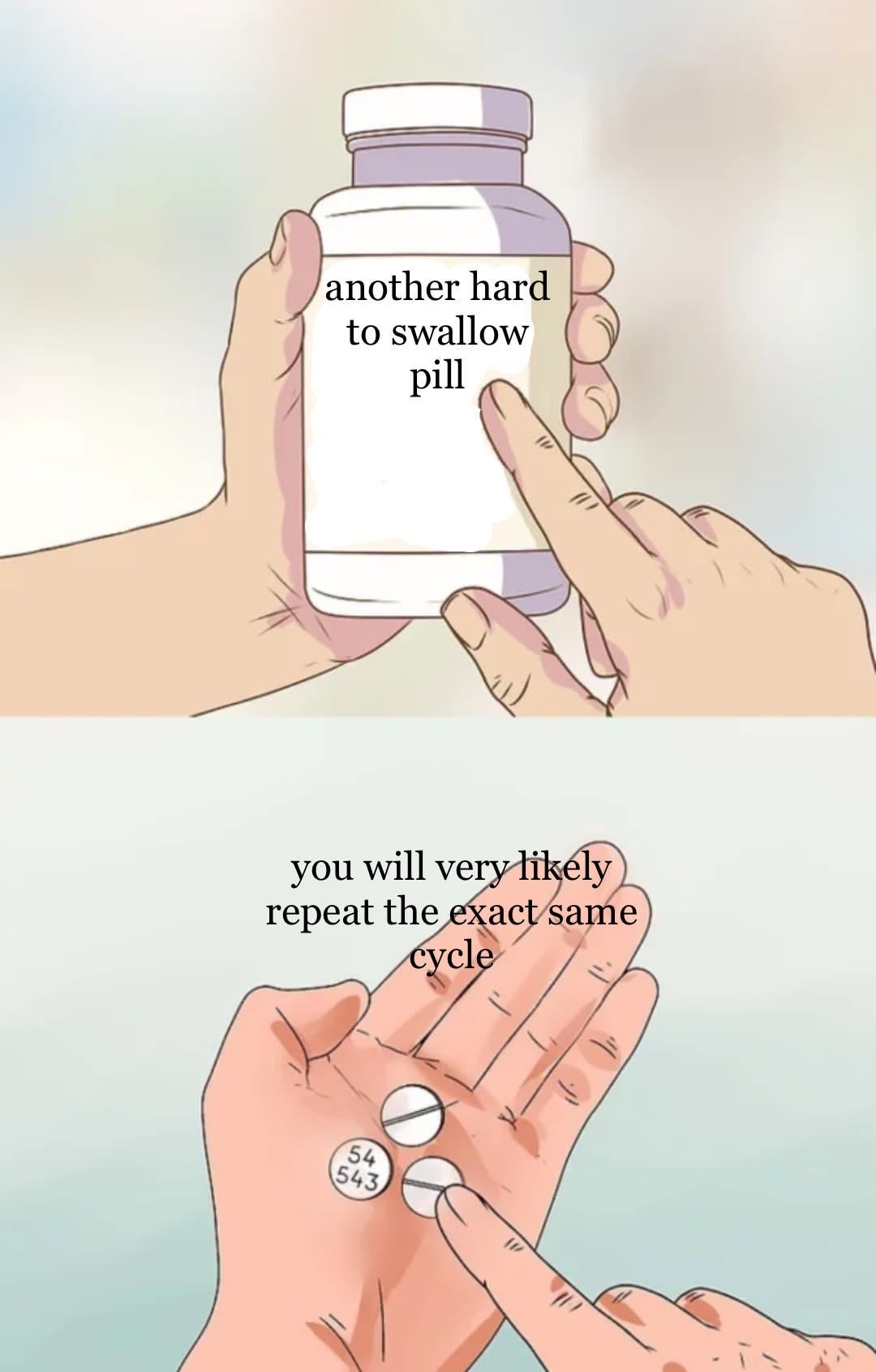
So much of how I imagine I would parent is based in the memories and experiences of being a child—good and bad in equal measure. I had an extremely blessed childhood, I was exposed to a vast array of experiences as well as having a strong moral compass instilled in me which I still use to navigate my adult life, something I would replicate if I was to have children of my own. This being said, I remember spending much of my childhood frightened. Frightened that the adults in my life were unhappy, frightened that I wasn’t good enough, that I was a burden. I outline this because any child of my own has a significant chance of being the same way and if I am honest I don’t know how to protect them from that. I also house high expectations and rage much like the people that raised me did, something that I know has contributed to anxiety that has resulted in chronic illness. Being raised by highly competent people that also have high expectations of me has afforded me the ability to become a well-rounded, conscientious person but inevitably comes with its own set of challenges.
I am doing the work to unlearn self-doubt, impatience and any tendencies towards judgmentalness but that doesn’t mean I don’t slip up or revert to these at times. I don’t know how I can justify the inevitable projection of these shortcomings onto my child. For them to then have to work to unlearn the things they never consented to absorbing in the first place. Children are too precious to be sacrificed as my own personal experiment as I indulge in the luxury of citing the phrase so many of us have heard so many times: ‘there’s no perfect way to be a parent’.
it’s unethical. no, really
We know for a fact that 4.3% of children in the U.S. are orphaned and globally the number stands at 17.6 million. We also know that the care system continually fails to protect children from serious harm illustrated by the statistic that 50% of unhoused people in the U.S. spent time in foster care. If we believe we have the mental, emotional, physical, financial, spiritual faculties to guide a child through their formative years, preparing them for adulthood and we are choosing to embark on this journey, then we should take these children—who are alive and suffering right now—into our homes and love them as our own. I see it as our moral duty to do so.
I can already hear the responses to this notion that go something like “but I want my own child”, “I wouldn’t be able to love a child that wasn’t biologically mine” or “I never thought about it”. I can’t tell you how deeply distasteful and concerning this sentiment is to me. Apart from the fact that there is no guarantee that you will love your biological child, to understand that there are children in desperate need and go on to have your own because you’ll like them better is antithetical to honouring community care and ‘loving thy neighbour’. And if you’ve never considered these questions, are you really ready for parenthood?
Furthermore, the biological urge to reproduce itself is an inherently selfish one, rooted in ego. I have never heard a justification that isn’t. The examples that come to mind “I just wanted to care for someone” or “I wanted to know an unconditional love”, these are all based on the speaker's own desires and feelings of lack. These desires are personal and have nothing to actually do with the child.
the health part
For a long time, I have been committed to improving and protecting my physical and mental health. I’ve spent money doing so. I genuinely don’t want to embark on the drastic transformation in hormone production, physical changes that can often lead to depression and cognitive decline and reverse the progress I’ve made. That’s without even mentioning childbirth and the risks pertaining to that: the mortality rate for black women is almost four times higher than for their white counterparts in the U.K and three times higher in the U.S.
I always find it (darkly) comical to hear a man try to tell me that I will eventually change my mind or, on occasion, actually attempt to persuade me to seriously consider their requests for a child as if when I acquiesce it would put their life at risk or that the division of labour would even approach an equal balance once the baby is born. Men (and many women actually) have no idea what kind of physical, financial, mental strain raising a child actually entails. I don’t, which is partly why I have no interest in doing it.
just not wanting to
I have said many times that three significant necessities in my life are freedom, money and sleep. I am also someone who deeply values my space; to think, to do nothing. None of which are conducive to having a child.
We know that two things can be true at once and so yes raising a child (if done remotely correctly) is one of the most selfless acts to embark on but it is also a choice that you made, as a consenting adult; and that then means that your child does not owe you anything for making that choice. They don’t owe you gratitude for being fed and clothed, they don’t owe you care in your old age, they don’t owe you half their wages from the job they turn up to everyday. It would be my hope that you have built enough of a foundation of mutual respect and admiration that they would want to give you those things freely—but if they don't, that is their right.
I respect my parents. I respect the people that they are and they earnt that respect, because they respect me. It was not god-given merely by virtue of the fact they had me and so they are not beyond reproach—as they know (sorry mum). I can see how my mother really did go above and beyond in so many ways but my point here is that she wanted to (and I love her for that) but perhaps ultimately, she did it for herself, as well as for me.
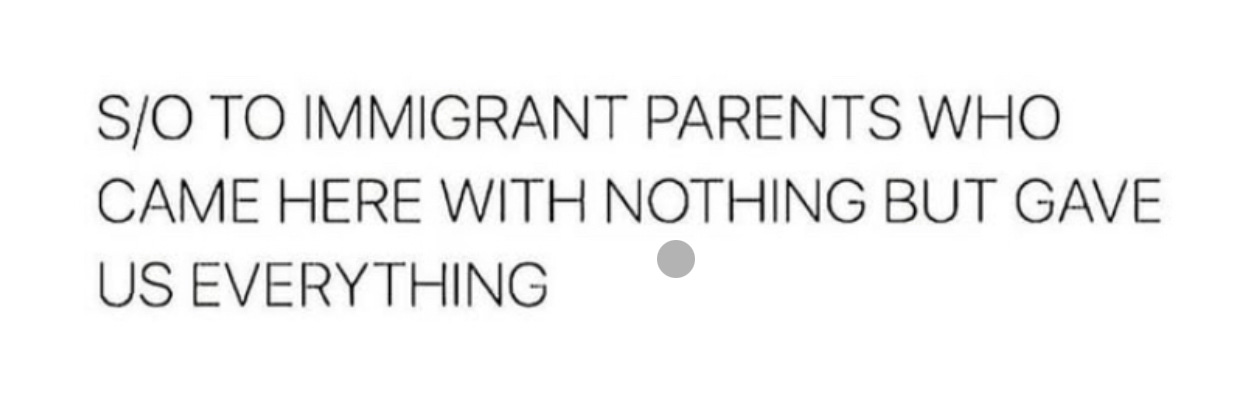
To promote the idea that we are forever indebted to our parents and that we must be loyal to our families above all else is extremely problematic. Family is the environment in which many people experience abuse, invalidation and trauma and if we tell people that family is the tightest bond that exists, we are inadvertently encouraging them to violate their own boundaries in order to maintain their familial ties.
I don’t expect a tsunami of agreement when I air these sentiments, in fact I expect the opposite. Most people don’t enjoy the message and some react badly but I think that’s because, in it, they can find very little to actually argue and disagree with. I want the best for children, all children, like we all should. And sometimes that means not having them.